In the ever-evolving world of construction, acquiring the right equipment can make or break your project’s success. With rising costs for new machinery, many contractors and fleet managers are turning to used heavy equipment to balance budgets without sacrificing performance. This comprehensive guide explores top models for 2026, essential inspection tips, and proven cost-saving strategies to help you make informed decisions.
Why Buy Used Heavy Equipment in 2026?
The market for used construction equipment is booming, driven by factors like supply chain stabilizations and technological advancements in older models. Purchasing used can save you 25-50% compared to new, while still delivering reliable productivity. Key benefits include immediate availability, lower depreciation, and access to proven machines from brands like Caterpillar and Komatsu.
Top Models to Consider in 2026
Based on resale value, performance, and popularity, here are standout used models across categories:
Excavators
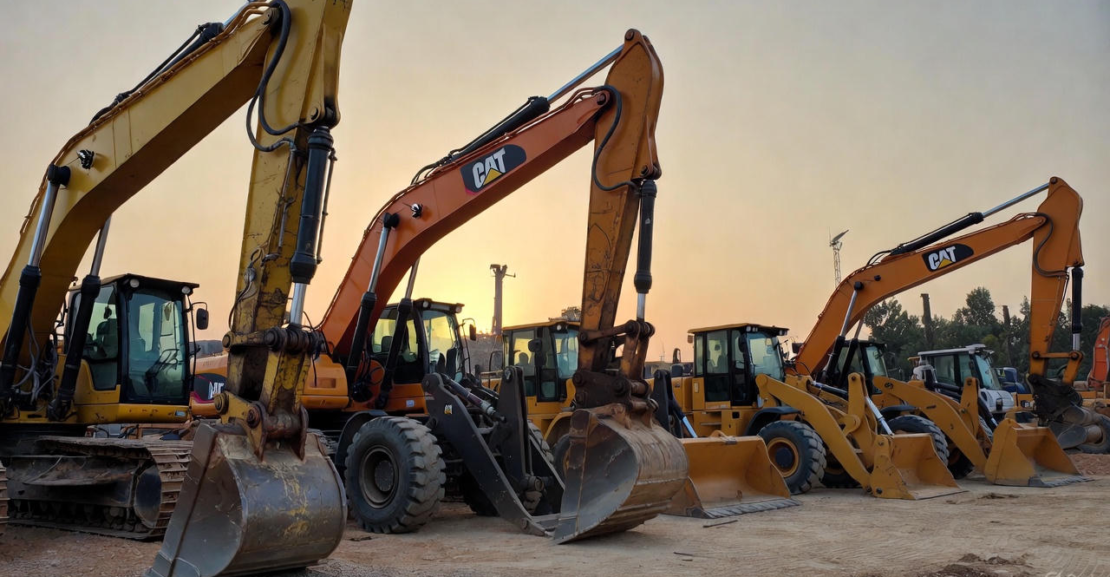
- Caterpillar 336E: Known for durability and high resale value, ideal for heavy digging.
- Komatsu PC200-8: Excellent fuel efficiency and operator comfort.
- Hitachi ZX350LC-6: Strong in demolition and earthmoving tasks.
- Volvo EC950F: Superior hydraulics for large-scale projects.
Loaders and Skid Steers
- John Deere 350G LC: Versatile for loading and grading.
- Bobcat S650: Compact yet powerful for urban sites.
Dozers and Cranes
- Caterpillar D6: Reliable for pushing and leveling.
- Link-Belt Cranes: High lifting capacity with good maintenance history.
| Category | Top Model | Key Features | Approx. Used Price Range (2026) |
|---|---|---|---|
| Excavator | Caterpillar 336E | 300+ HP, 20+ ft dig depth | $150,000 – $250,000 |
| Loader | John Deere 350G LC | 200 HP, 4-6 cu yd bucket | $100,000 – $180,000 |
| Dozer | Caterpillar D6 | 215 HP, blade width 12 ft | $120,000 – $200,000 |
These models hold value well, with brands like CAT and Komatsu leading in retention.
Essential Inspection Tips
Before purchasing, a thorough inspection is crucial to avoid hidden costs.
- Review Maintenance Records: Ask for service history, including oil changes and component replacements.
- Check Structural Integrity: Inspect for cracks, welds, and rust on frames and booms.
- Test Hydraulics and Engine: Run the machine to check for leaks, unusual noises, and fluid levels.
- Examine Undercarriage: For tracked equipment, measure track wear and tension—aim for less than 50% wear.
- Verify Hours and Usage: Low hours don’t always mean low wear; consider operational environment.
Pre-Purchase Checklist:
- Lights, alarms, and warning systems functional?
- Tires/tracks in good condition?
- No excessive smoke from exhaust?
- Authentic certifications and serial numbers?
Hiring a third-party inspector can provide unbiased insights.
Cost-Saving Strategies
Maximize your investment with these tactics:
- Buy from Trusted Dealers: Dealerships like those offering Cat Certified Used provide warranties and financing.
- Negotiate Based on Market Value: Research average prices to haggle effectively—aim for 10-20% off listed.
- Consider Financing Options: Loans or leasing can spread costs, with rates favorable in 2026 due to stable economies.
- Bulk Purchases or Auctions: Government auctions offer deals, but inspect thoroughly.
- Factor in Total Ownership Costs: Include maintenance, fuel, and resale potential to calculate true savings.
By opting for used, you could save 40-60% upfront while accessing proven tech.
FAQ
Is buying used heavy equipment worth it in 2026? Yes, with proper due diligence, it offers significant savings and reliability.
What brands depreciate the least? Caterpillar, Komatsu, and Volvo often retain 60-70% value after 5 years.
How do I finance used equipment? Explore equipment loans, lines of credit, or dealer financing.
Ready to explore our inventory? Visit Equipment Sales Depot for quality used excavators, loaders, and more. Contact us today for a quote!
